Liposomes Liposomes, ranging in size from 80 to 300 nm, provide a lipid microenvironment that protects AX from oxidation and photodegradation
Most gentle cleansers, serums, and carriers fall within acceptable ranges
Aldahhan, orcid.org/0000-0001-9933-9837 Disclaimer All claims expressed in this article are solely those of the authors and do not necessarily represent those of their affiliated organizations, or those of the publisher, the editors and the reviewers
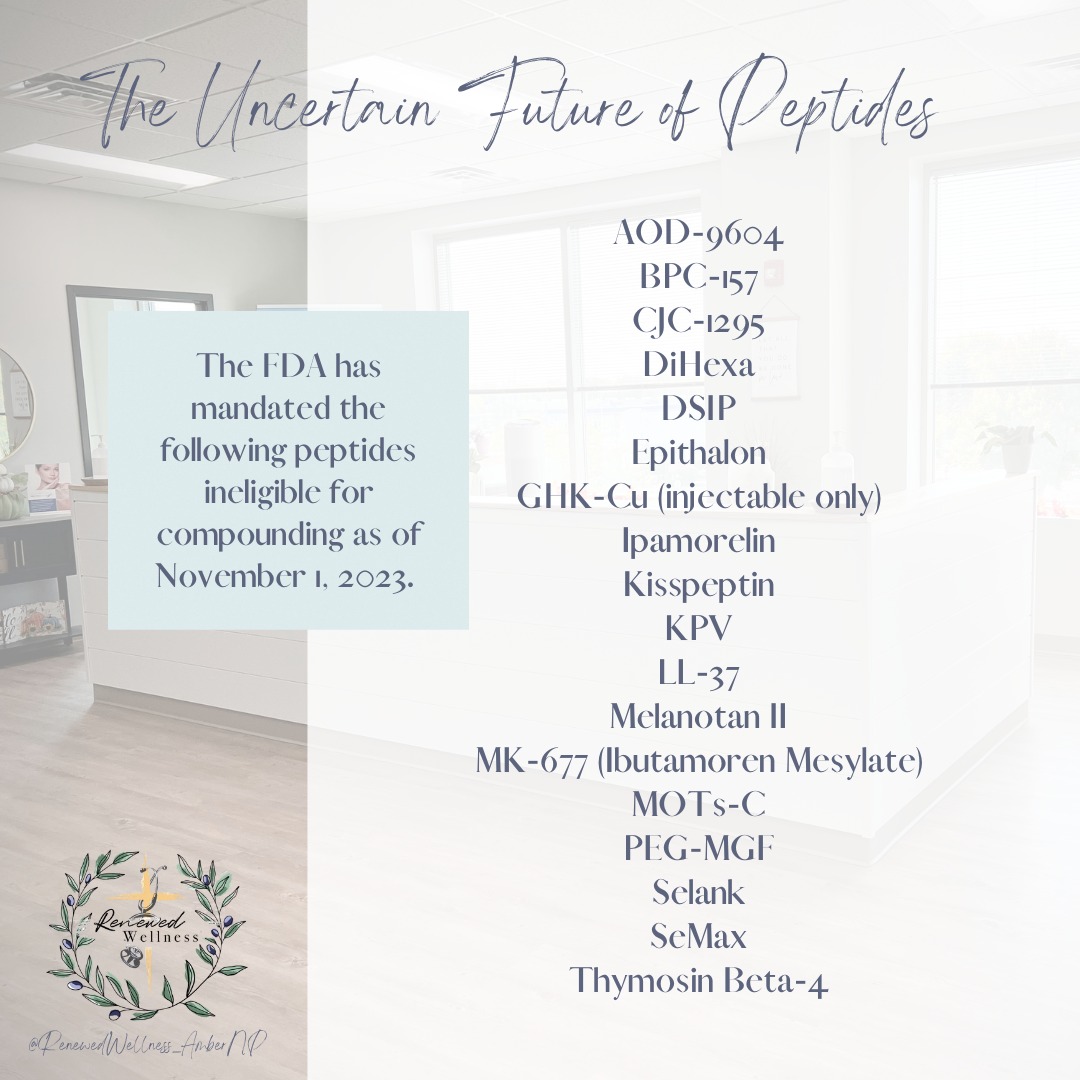
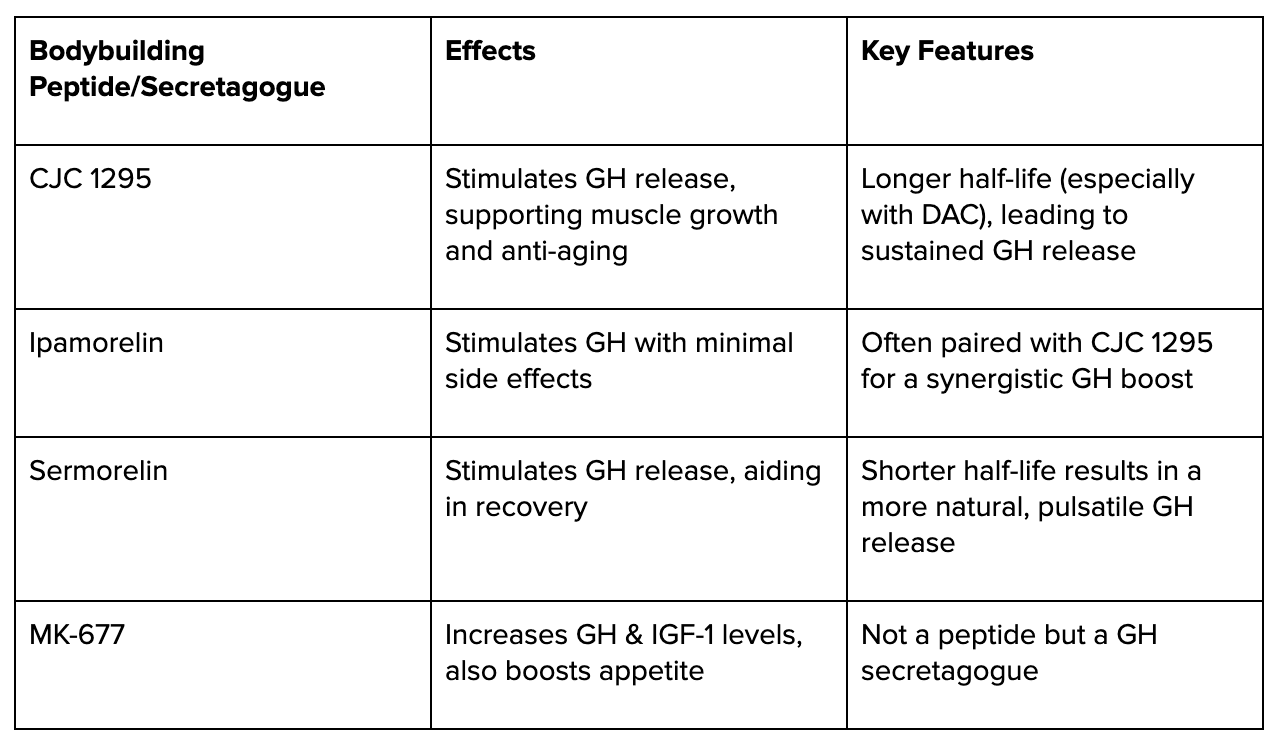
FOXO4-DRI Key Research Facts Full name: FOXO4 D-Retro-Inverso peptide (FOXO4-DRI) Classification: Cell-penetrating senolytic peptide FOXO4/p53 protein-protein interaction inhibitor Design: D-retro-inverso isoform of FOXO4s p53-binding domain reversed sequence with all D-amino acids Binding target: p53 transactivation domain 2 (TAD2) displaces FOXO4 from the FOXO4-p53 complex Mechanism: FOXO4-DRI binds p53 TAD2 p53 nuclear exclusion p53 mitochondrial translocation BAX activation caspase-3 cleavage senescent cell-selective apoptosis Selectivity basis: FOXO4 is upregulated in senescent cells but expressed at low levels in most non-senescent adult cells selectivity is mechanistically conferred D-amino acid advantage: Proteolytic stability resistant to intracellular peptidases that would rapidly degrade equivalent L-amino acid sequences Structural characterisation: NMR structural models of FOXO4-DRI/p53TAD2 complex resolved (Nature Communications, 2025) confirms disordered-to-ordered transition upon binding Research cell types studied: IMR90 fibroblasts, TM3 Leydig cells, endothelial cells, chondrocytes, keloid fibroblasts, HCT116 cancer cells In vitro working concentration: 25 M used in multiple published studies for senescent cell apoptosis induction What Does FOXO4-DRI Do in Research