Reliable Peptide Reconstitution Is the Foundation of Quality Research Every step in the reconstitution process influences the reliability of experimental data, and the details compound quickly
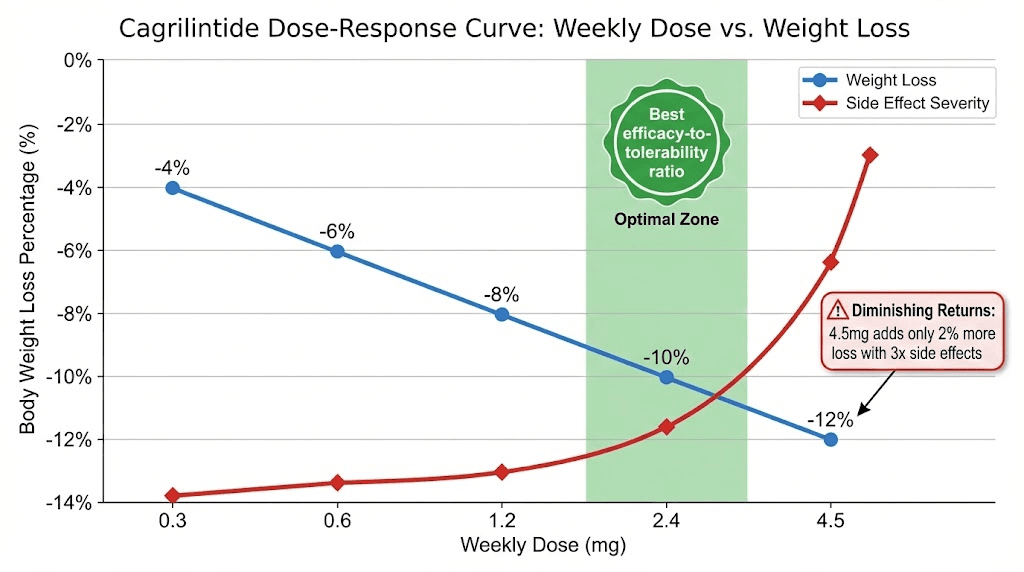
Contact your healthcare provider within 24 hours if you experience: Persistent vomiting (more than 24 hours) preventing adequate fluid intake Severe diarrhea (more than 6 episodes daily) lasting beyond 48 hours Inability to keep down fluids despite anti-nausea measures Weight loss exceeding 23 pounds in 24 hours (likely fluid loss) Markedly reduced urine output with dark, concentrated urine New or worsening dizziness affecting daily activities or causing falls Blood glucose readings consistently above target despite usual management Seek immediate medical attention (emergency department or call 911) for: Severe, persistent abdominal pain (may indicate pancreatitis or gallbladder disease, which are labeled risks of GLP-1 medications requiring immediate evaluation and drug discontinuation) [1] Severe dizziness or fainting episodes Rapid or irregular heartbeat with chest discomfort Confusion, disorientation, or altered mental status Inability to urinate for 12+ hours Signs of acute kidney injury (decreased urine output, swelling, severe fatigue) Symptoms of hyperglycemic emergencies in diabetes patients (excessive thirst, frequent urination, fatigue, fruity breath) Patients with pre-existing kidney disease, heart failure, or those taking multiple medications affecting fluid balance should maintain closer communication with their healthcare team
Eggs: Eggs are also a good source of vitamin B12
Ongoing research aims to investigate the specific pathways and targets through which BV and its constituents exert their pharmacological effects, both beneficial and detrimental, to optimize its therapeutic potential while minimizing adverse reactions (Pandey et al., 2023a)