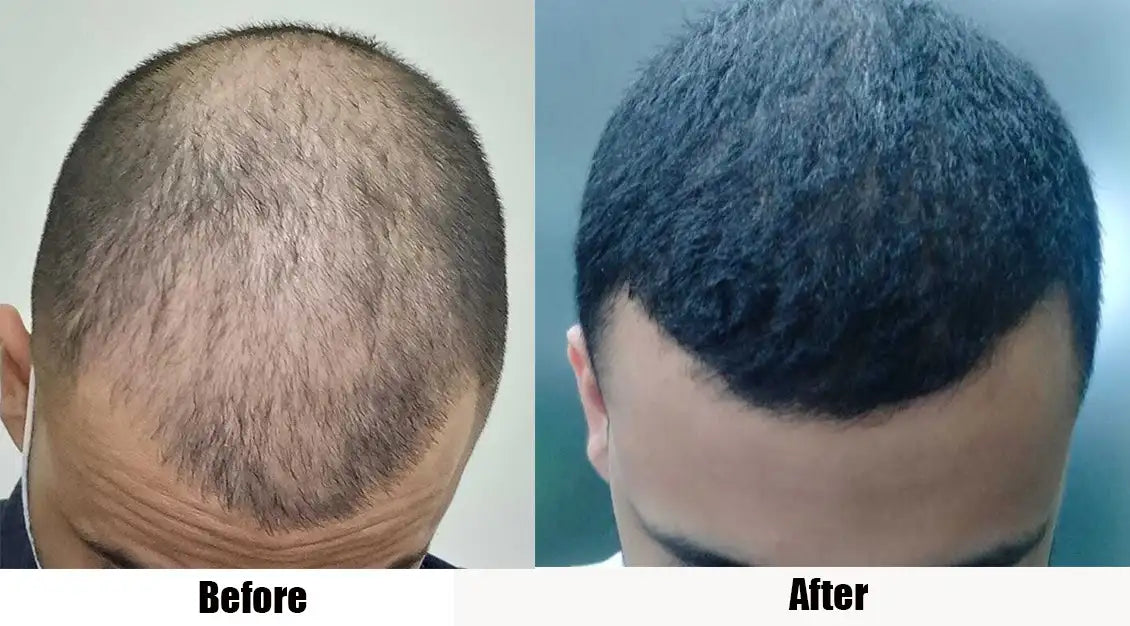
Beyond the landmark 2007 study, the broader body of evidence supporting GHK-Cu for hair includes: Follicle enlargement studies: Multiple in vitro studies confirm GHK-Cu increases the size of hair follicles, reversing miniaturization the key driver of visible thinning in androgenetic alopecia Anagen phase extension: Research confirms GHK-Cu extends the active growth phase of follicles, producing longer, thicker hairs per growth cycle Minoxidil comparison: Some studies suggest GHK-Cu performs comparably to 5% Minoxidil for hair growth stimulation through a more targeted, follicle-specific mechanism with a significantly better side effect profile Wound healing evidence: GHK-Cu's extensive wound healing evidence (accelerating tissue repair by 3040%) is directly relevant to scalp health the same repair mechanisms that heal damaged skin also support follicle recovery from inflammation and miniaturization damage Anti-inflammatory scalp research: GHK-Cu's consistent anti-inflammatory effects in skin tissue translate directly to scalp applications reducing the follicle-damaging inflammation that accelerates hair loss GHK-Cu vs Minoxidil: The Honest Comparison GHK-Cu and Minoxidil work through complementary mechanisms Minoxidil primarily through vasodilation, GHK-Cu primarily through direct follicle cell stimulation and anti-inflammatory action

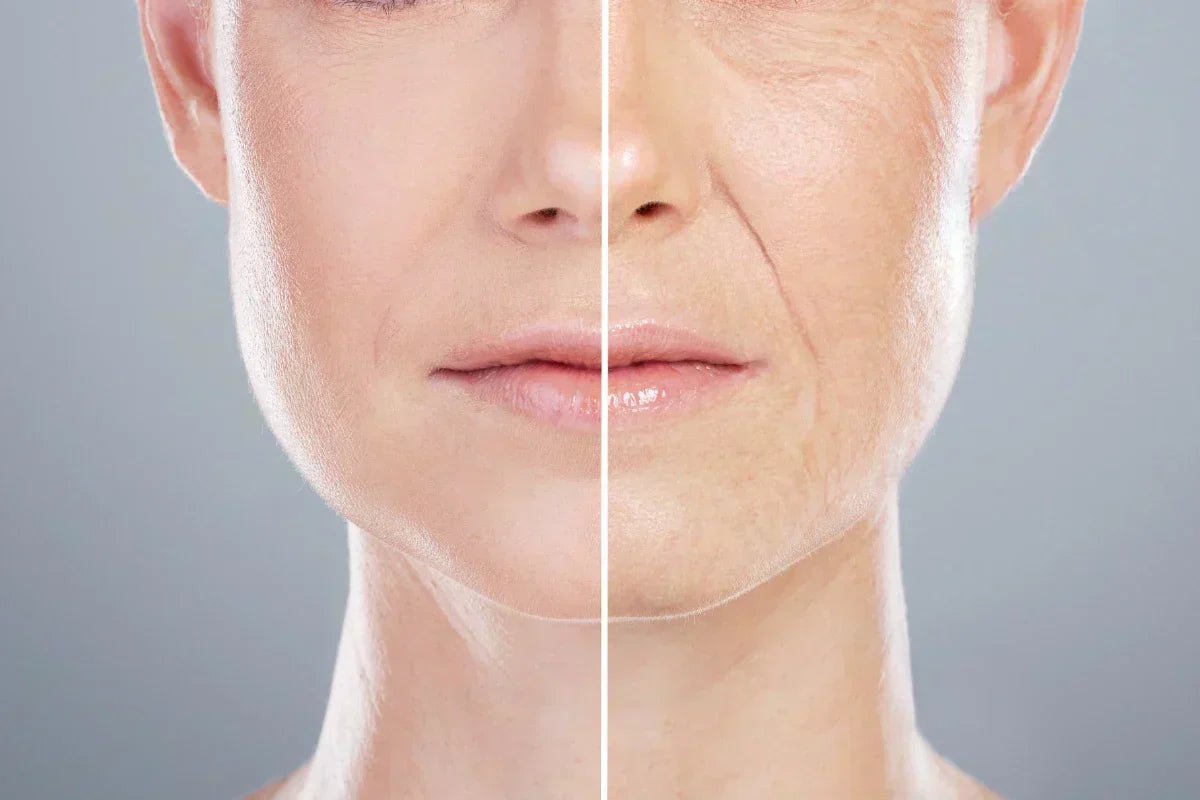
This is the study that matters most for the "before and after" question, because it used the exact demographic most GHK-Cu consumers belong to: women over 50 with real photodamage, not 25-year-olds with minor texture concerns
Avoid direct sunlight
In addition, BP increased significantly the growth performance parameters [length, average daily weight (ADG), body weight, feed efficiency ratio (FER), and specific growth rate (SGR)], as well as biochemical (albumin, globulin, and serum total protein ratios), immunological (serum bactericidal activity), nitro blue tetrazolium assay (NBT), and hematological parameters [hematocrit (Hct), leucrit (Lct)] as the number of lymphocytes, neutrophils, monophils, and phagocytic activity (154)